Soil Biology
Analysis
Understand the living microbial ecosystem in your soil and how it influences nutrient cycling, soil structure, and plant health.
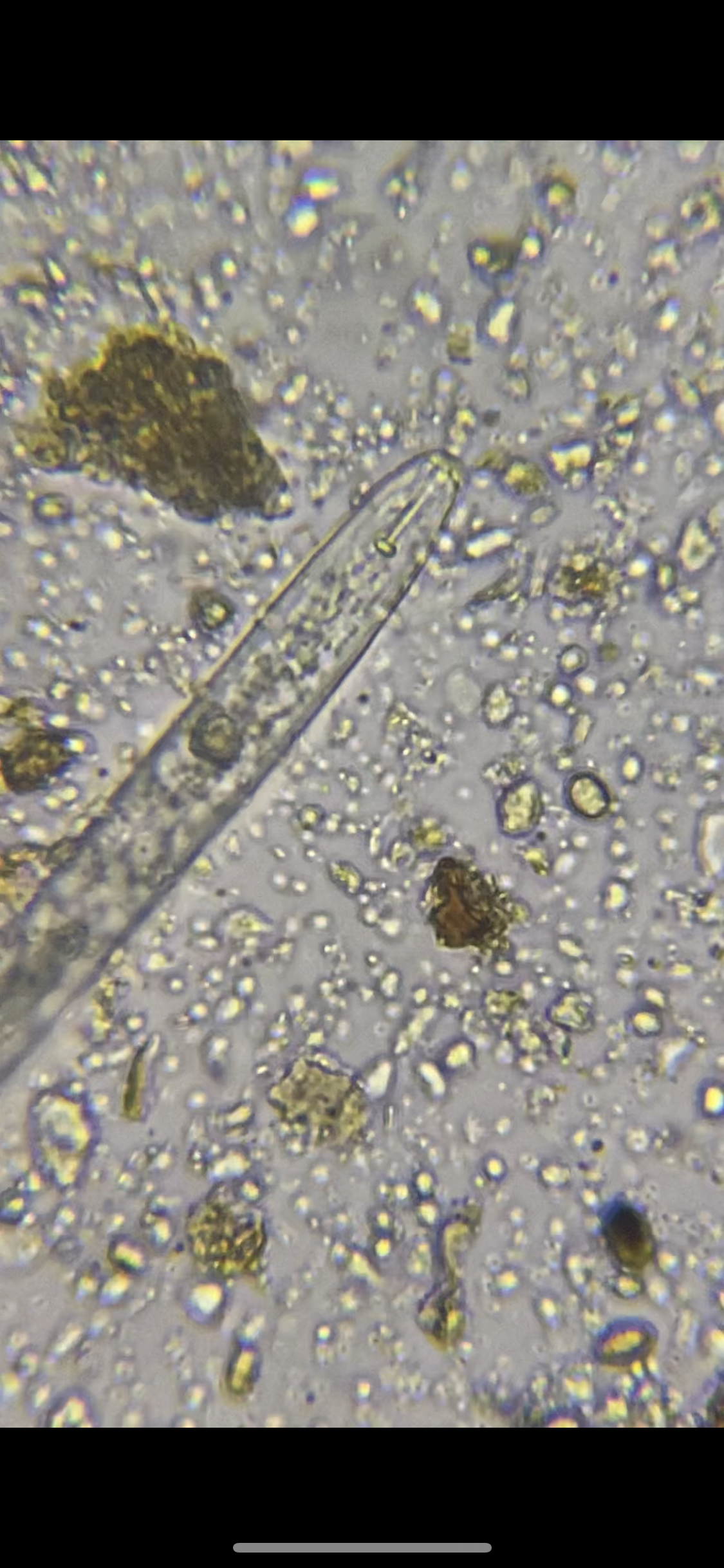
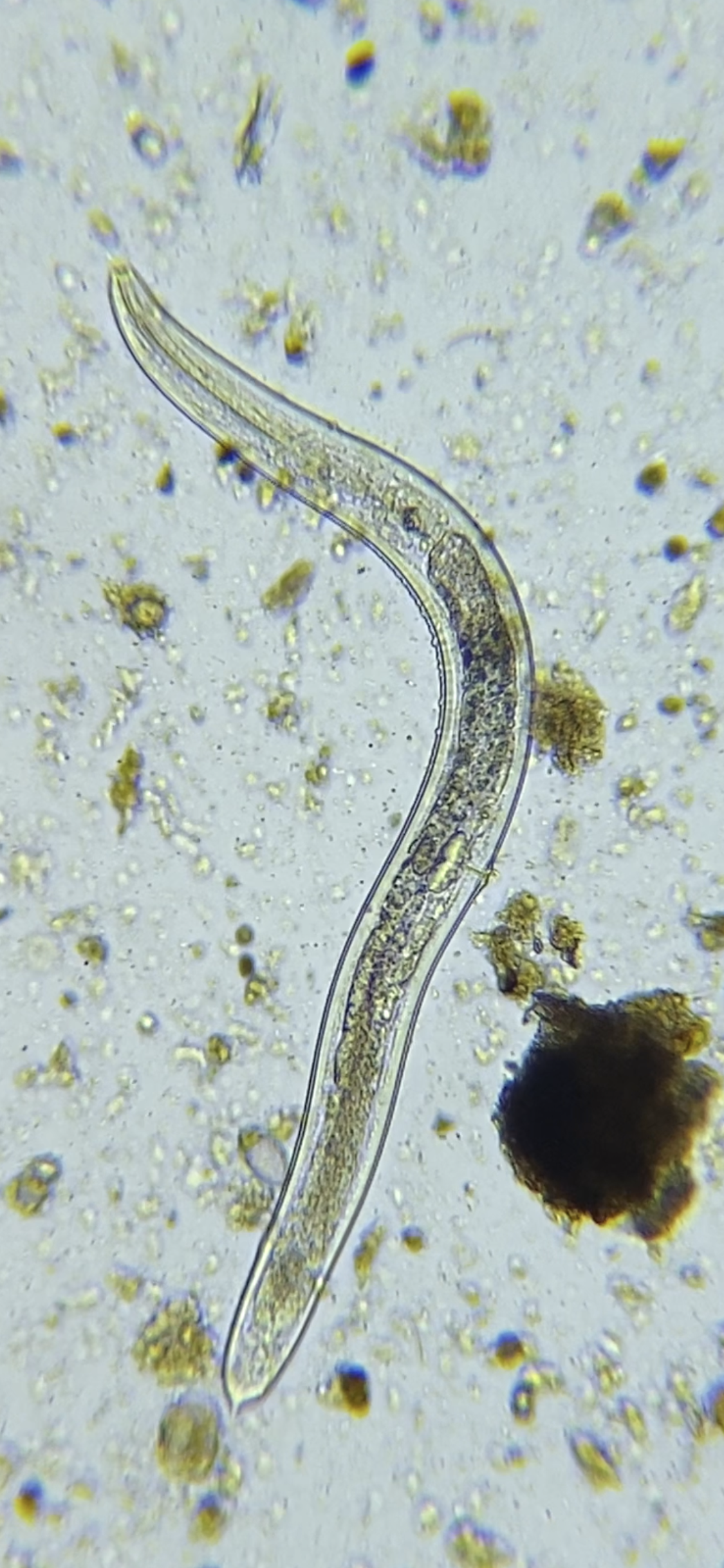
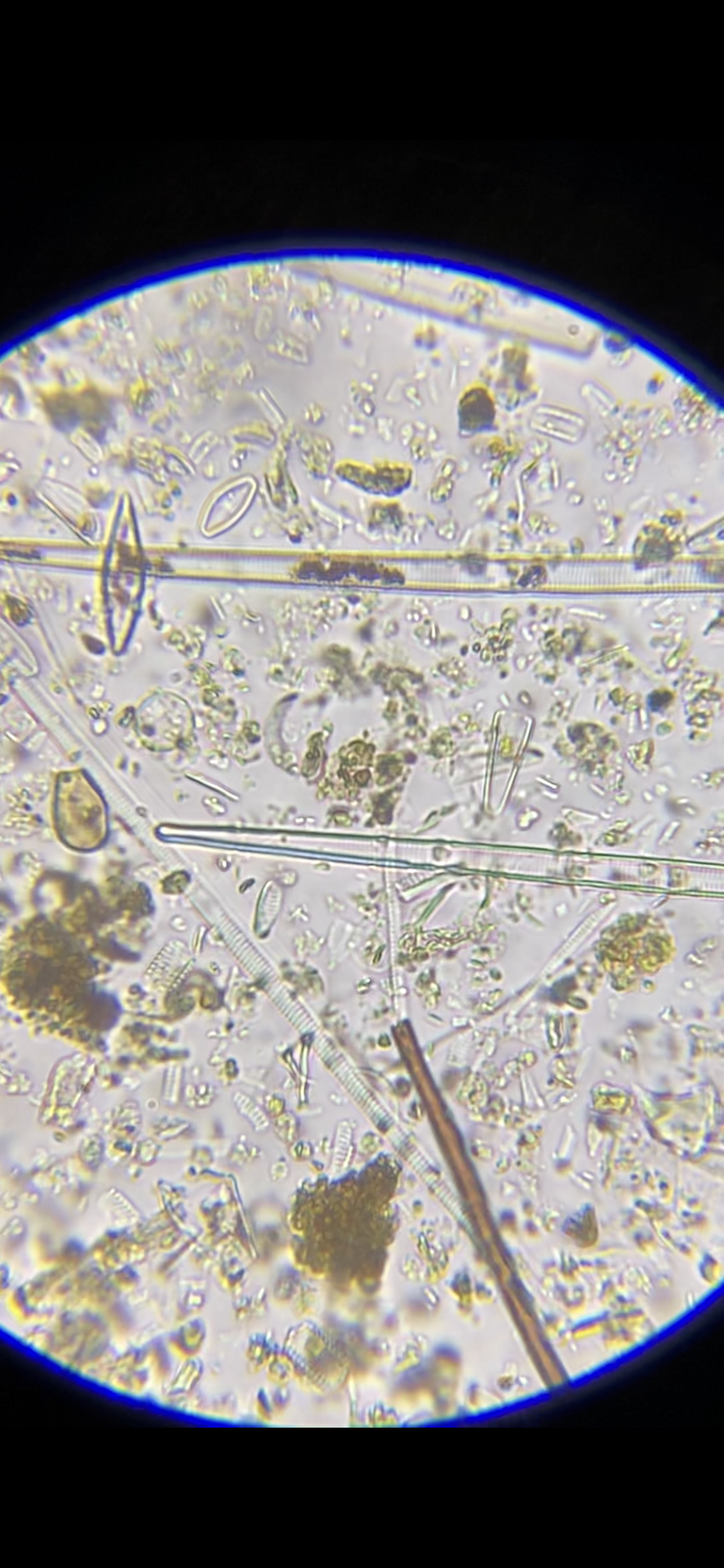
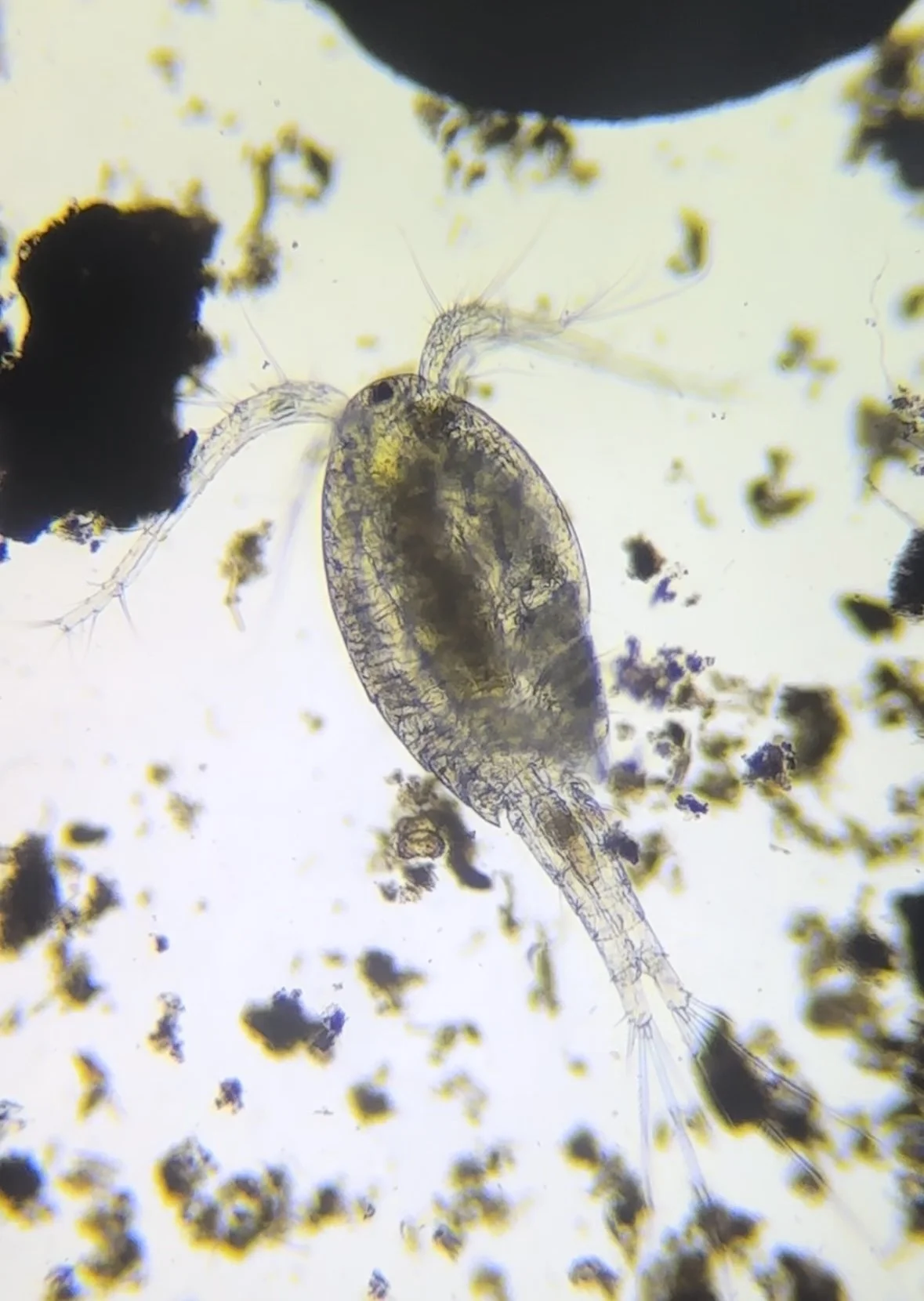
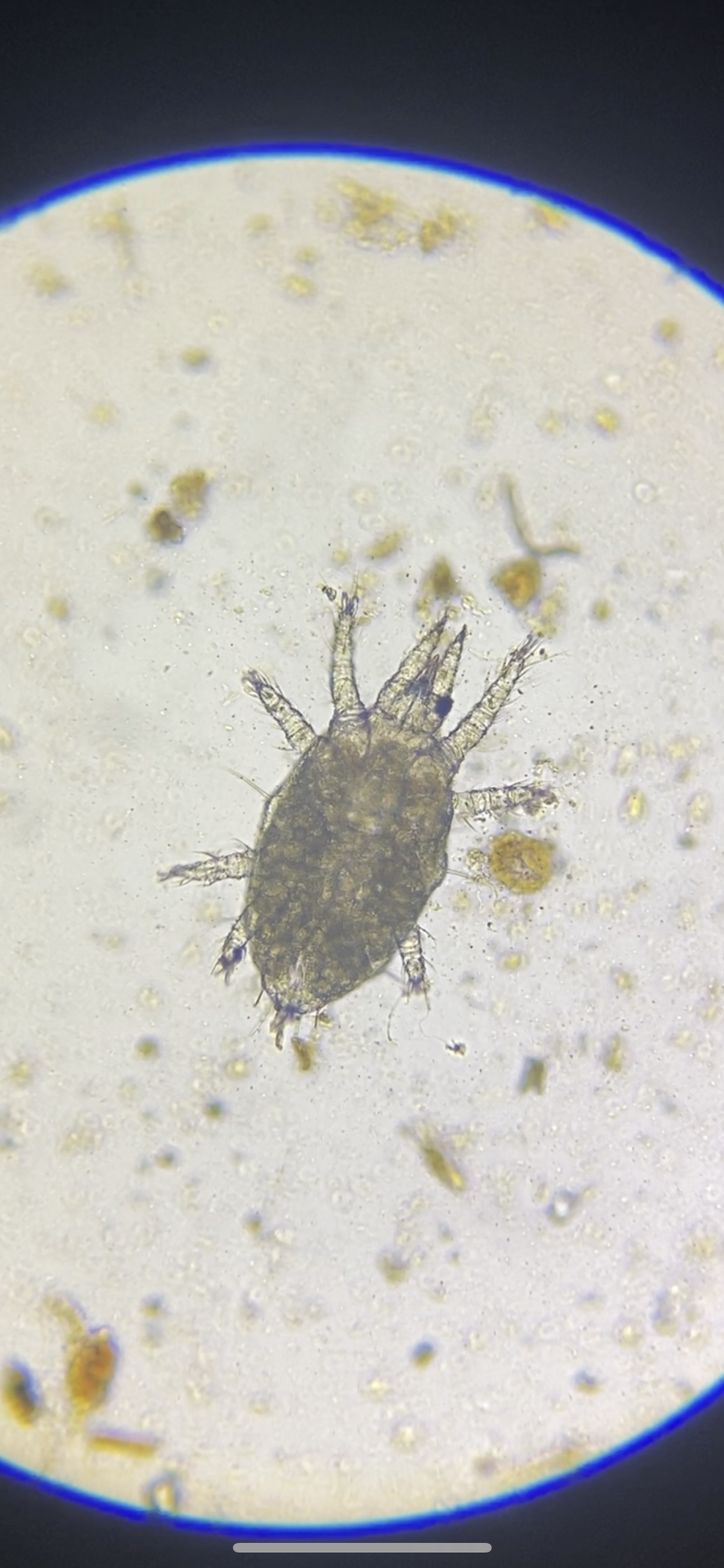
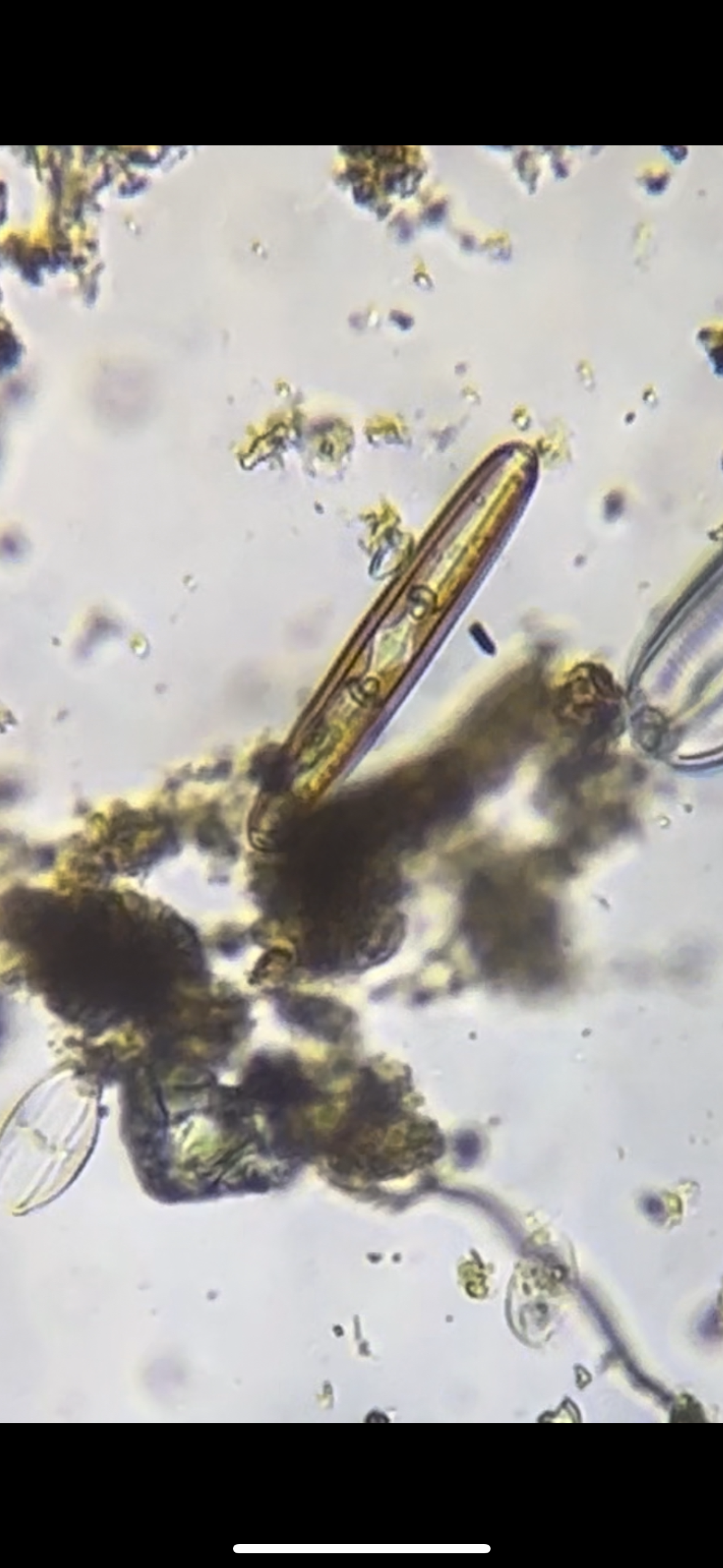
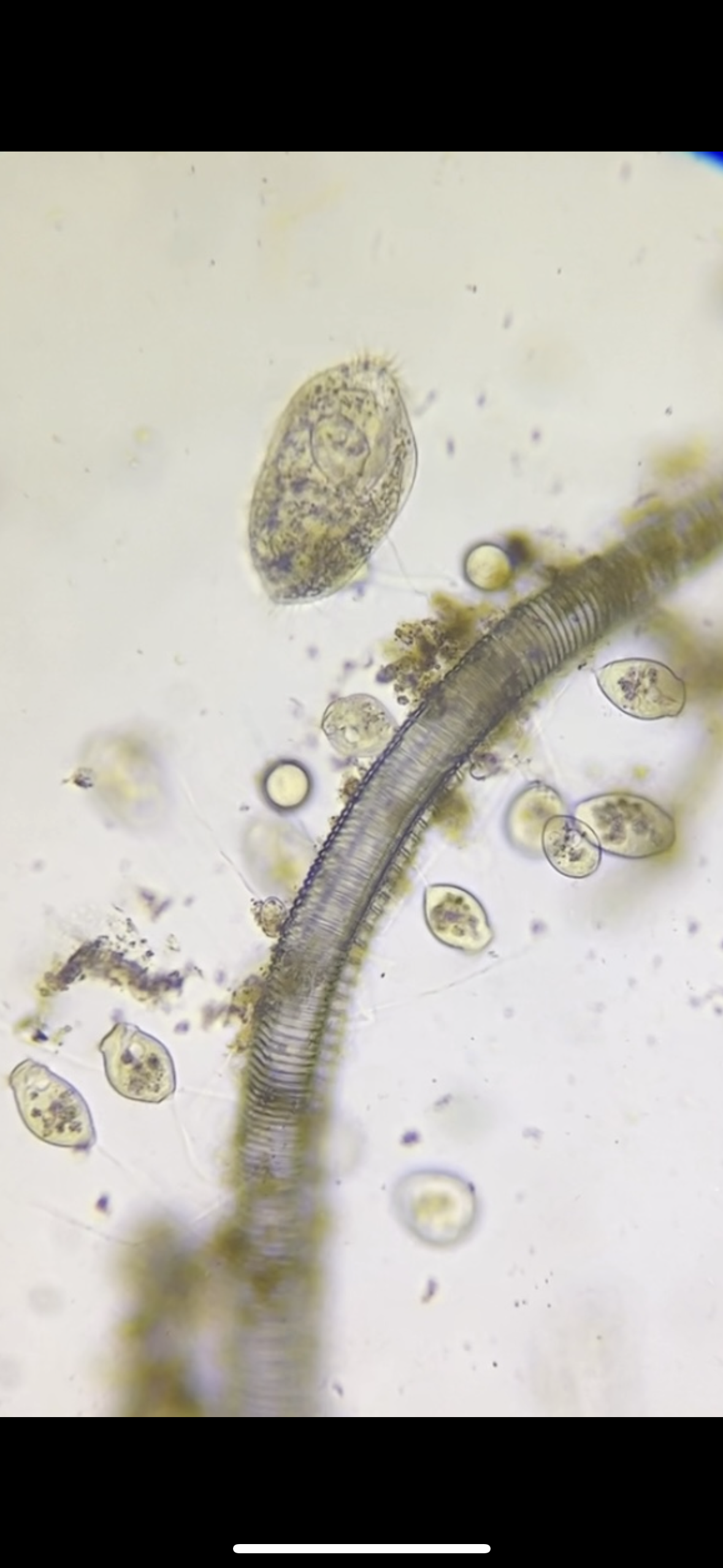
Using direct microscopy, I evaluate the organisms that make up the soil food web and interpret what those observations reveal about the ecological function and stability of the soil system.
What Is Soil Biology Analysis?
02
Through direct microscopy, I examine these organisms and evaluate how the soil food web is functioning as a system. This analysis also considers ecological indicators that reveal whether the soil ecosystem is balanced, stressed, or missing key biological groups.
01
Soil is a living ecosystem. Microorganisms such as fungi, bacteria, protozoa, and nematodes drive nutrient cycling, build soil structure, and influence plant health.
03
The result is a deeper understanding of how the soil ecosystem is operating and what management practices can help strengthen soil health over time.
Microbial groups observed
• Bacteria
• Fungal hyphae and actinobacteria
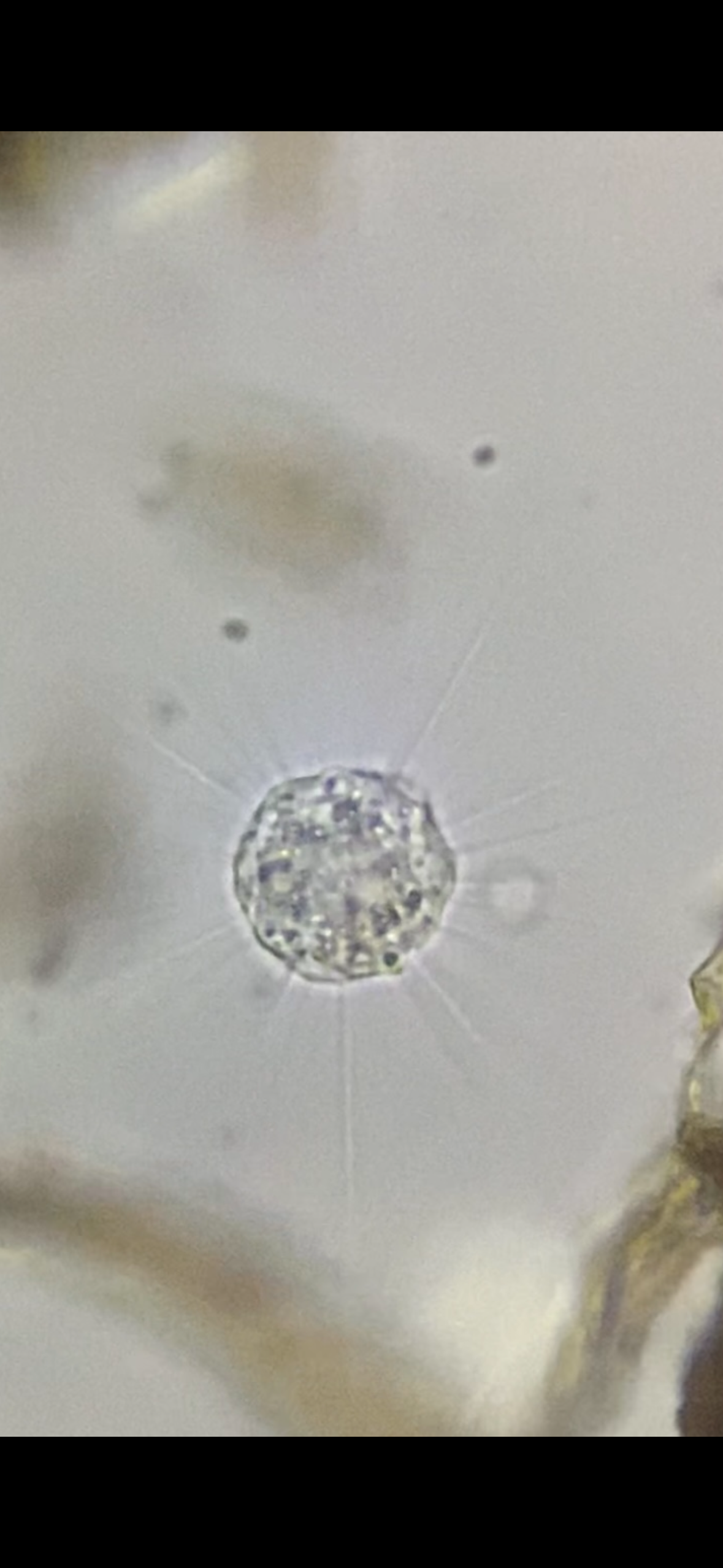
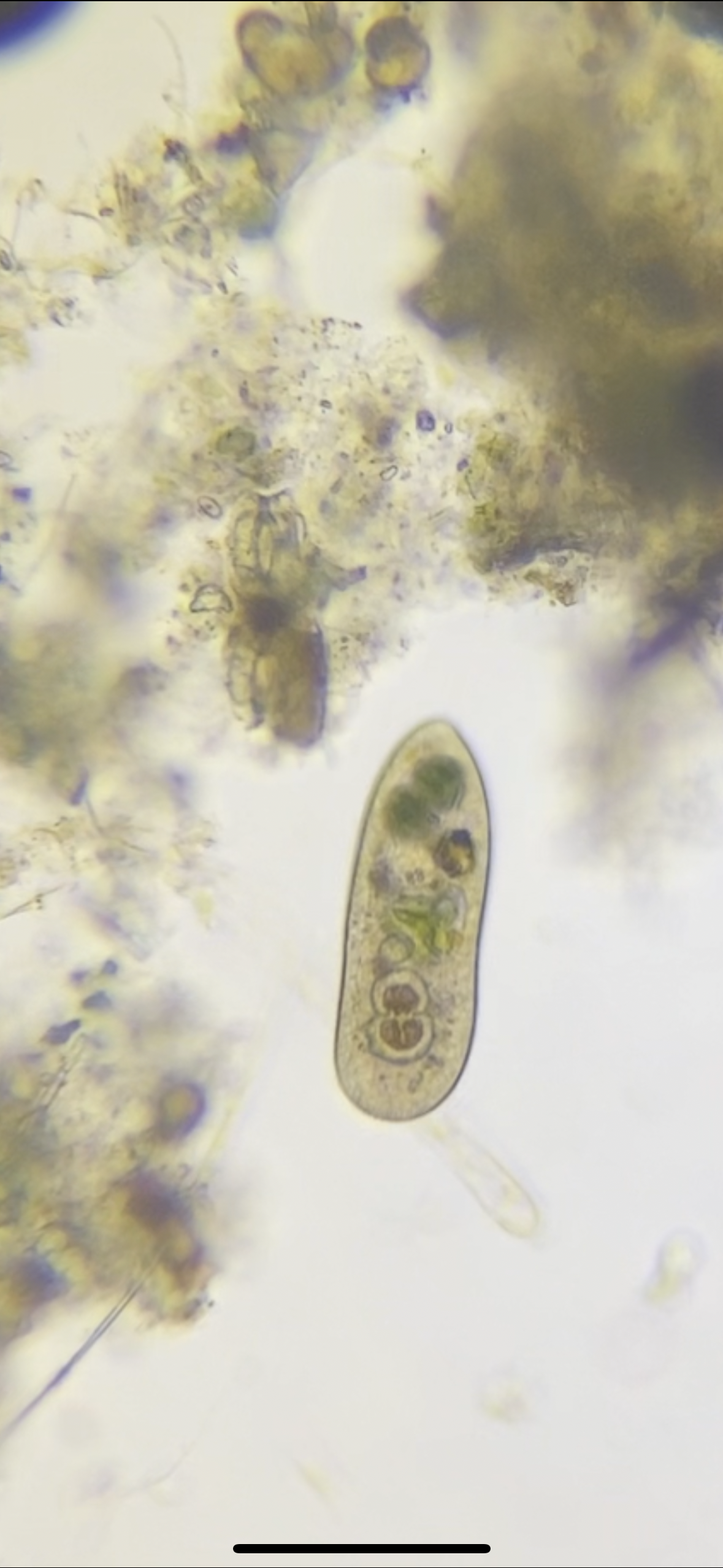
• Protozoa (amoebae, flagellates, ciliates)
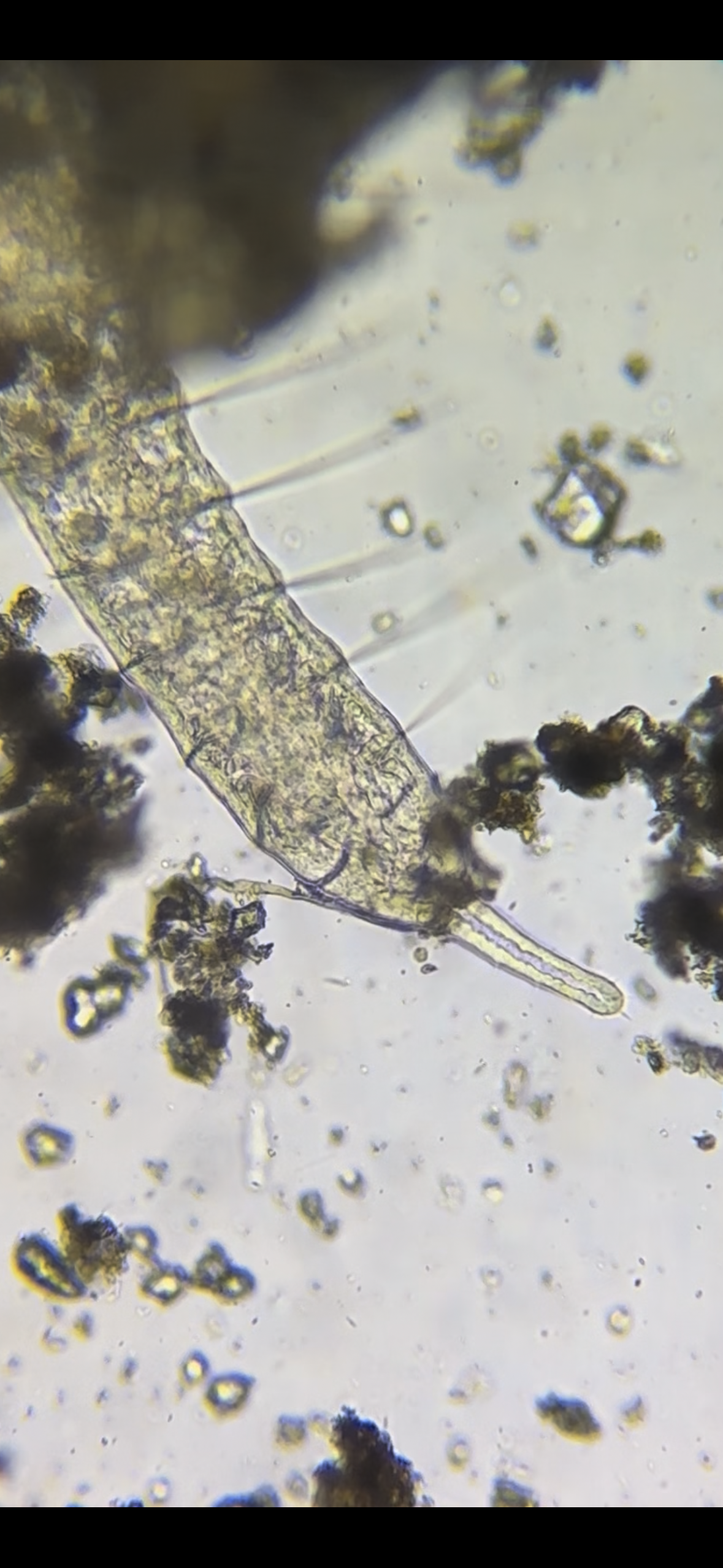
• Nematodes and trophic groups
Ecosystem indicators evaluated
• fungal network integrity and hyphal structure
• microbial predator–prey dynamics (grazing activity)
• soil aggregation and microstructure
• organic matter diversity and decomposition stage
• microbial spatial organization and biofilm presence
• indicators of disturbance or environmental stress
By examining both microbial populations and ecological structure, this approach provides insight into nutrient cycling potential, soil stability, and the resilience of the soil ecosystem.
Each soil sample is evaluated under the microscope to understand both the composition of the soil food web and the ecological function of the soil ecosystem.
Observations include the major groups of soil organisms as well as the structural and ecological indicators that reveal how the system is functioning.
Organisms & Ecosystem Indicators Evaluated:
Full Soil Biology Assessment
A detailed analysis that combines microscopy observations with quantitative biomass estimates and ecosystem interpretation.
Includes:
• microbial biomass estimates
• fungal-to-bacterial ratios
• soil food web structure analysis
• functional ecosystem scores
• microscopy images or video
• written interpretation and recommendations
This assessment provides a comprehensive picture of soil biological function.
Assessment Options
Functional Soil Biology Assessment
A streamlined evaluation focused on ecosystem function.
Includes:
• qualitative observations of microbial communities
• ecosystem function scoring
• microscopy images or video
• summary interpretation and recommendations
This option provides practical biological insight while keeping testing costs lower.
Why is it important to understand the biology in your soil?
Due to modern agriculture and other unsustainable human activities we are losing fertile soils at alarming rates, and when we talk about soil degradation what is really being lost is the presence of biology especially the microbial life. Modern agriculture depicts the soil as dead inert matter, but in reality soils are teaming with life! A tablespoon of healthy soil should contain more organisms than there are people on earth. Plants send about 50% of the products made through photosynthesis to the rhizosphere in order to attract microorganisms. Plants spend this enormous amount of energy on microorganisms because they are co-evolutionary partners, which benefit the plant and the environment in astounding ways:
Soil Fertility
The presence of microbial diversity in our soils is integral to maintaining soil fertility. Bacteria and fungi are constantly breaking down organic matter and soil particles creating nutrients and humic acid. When higher trophic level organisms such as protozoa and nematodes consume the bacteria or fungi they will release waste that is in plant available forms. Plants even have the ability to intake bacteria directly into their roots and use them as a resource of nutrients in a process called rhizophagy.
Nutrient Acquisition
Microorganisms form complex relationships with plants providing nutrients, and protection from pests and disease. Mycorrhizal fungi specifically are critical to nutrient acquisition in plants. These amazing fungi work symbiotically with plants to support healthy growth. Mycorrhizal fungi are able to mine water and nutrients from the soil and exchange those products for plant exudates. It is estimated that 80% of all plant species form mycorrhizal relationships.
Soil Structure
Microorganisms also provide to soil with good structure. Bacteria and fungi form aggergates which create pore spaces within the soil. With these organisms present in the soil it acts like a sponge which absorbs and holds water preventing drought stress. Water is allowed to run through the soil carbon filter where microorganisms pull out and neutralize toxins and pollutants, which provides clean water to the underground aquifers. This soil structure eliminates compaction, erosion, and run off.